Rosie’s Daughters: The “First Woman To” Generation Tells Its Story
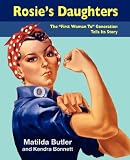 Matilda Butler and Kendra Bonnett wrote a collective memoir of the generation of women born during World War II (1940-1945). In the interests of transparency, Kendra and I (Matilda) are the two women in Two Women Business & Publishing, the developers of this website.
Therefore, we’ll rely on the words of reviewers to tell you about the book. Geneva Overholser is the Curtis B. Hurley Chair in Public Affairs Reporting at the University of Missouri. Previously, she was the Editor of the Des Moines Register, leaving as a protest to management’s “bottom line” emphasis. Overholser wrote:
“Rosie’s Daughters is a unique combination of personal stories, research, history, art and the author’s own reflections, engagingly written and beautifully presented. This is social history without the turgid prose, a combination of interviews without the annoying interruption of flow — even a motivational book without the saccharine — in the appealing voice of perceptive authors.”
As you work on your memoir, Kendra and I recommend this book to you for three reasons:
- Rosie’s Daughters is an example of the collective memoir genre with many inspirational stories. You might decide to write your memoir with a spouse, sibling parent or (adult) child. Even if you don’t actively write your memoir with a another person, you may want to “interview” others to help you remember details.
- Rosie’s Daughters shows how photographs, quotes, and historical information can be incorporated into a memoir. Even without incorporating an elaborate book design, you may want to bring the added value of these three elements into your memoir.
- Rosie’s Daughters illustrates how multiple perspective on an issue or topic can be both respected and integrated into a common narrative. For example, you and your sister may remember an important event differently. You can respect her perspective, even perhaps explain how the difference in your ages may have led to the contrasting memories, while still honoring your personal narrative.
>> Click here to buy this book